
Get In-Depth Reviews of Trading Brokers in South Africa to avoid Scam.
We do product testing and in-depth research to make your daily purchases easy and safe.
We have tried and tested. Our experts had deposited, withdraw, use every feature and tool on various trading platforms for weeks/months to ensure you never lose a South African Rand to fraud.
A simple search on your PlayStore, Apple Store, or Google will tell you there are 100+ trading platforms. This raises a few questions,
To answer these questions, we developed a sophisticated system that includes analyzing key aspects of every platform. Read below to know more about this system.
What Our Testing Concludes
NOT
SCAM
Reliable
This is a legit and reliable company with proof of successful withdrawals where you can deposit and withdraw at your free will.
SCAM
Scam/Fraud
Avoid using these platforms as you are likely to lose your money. Making withdrawals can be a pain for reasons like a high minimum balance, limited withdrawal modes. There’s also a chance we didn’t find sufficient withdrawal proof. The company is known for fraudulent activities and isn’t regulated by any legit organization.
Recommended
Not Recommended
Just because a platform is reliable, it doesn't necessarily mean that we alos recommend it. We usually don't recommend a broker if it lacks important features, takes high fees or we simply think that there are better alternatives out there with similar functionality.
All reviews contain both a summary and a detailed analysis of the platform. From how to log in, withdraw, deposit, use bonuses, make trades, etc., we cover every nook and cranny to make using any platform effortlessly.
After choosing the broker, put some energy into education and training
Reading our broker reviews can give you a very good idea about where to trade, but it's equally important that you educate yourself! Online trading is not easy and can be very risky so once you signed up for a broker, we suggest that you start using the demo account it offers, read their training materials, watch their educational videos and try different strategies before risking any real money.
How We Test Each Platform?
1. Validate Public Information
Is the platform regulated by the organization or government body it claims? Our experts verify all the information and check the legitimacy/credibility of the regulators and agencies, so you are never left hanging if you feel aggrieved.
2. Test the Platform Features and Tools
From the charts and extensions these platforms provide to the ease of creating and renewing a demo account, every tool and feature is thoroughly tested to check how it helps and what kind of traders it is best suited for.
3. Dive Deep Into the Platform
Are there ample methods to make withdrawals? How much time do deposits and withdrawals take? Is connecting to the support staff quick and easy? And are they well-informed about the platform to provide quick-fire solutions?
We dive deep into every corner of the platform to give you the most accurate details, so every type of investor knows exactly which platform is tailor-made for them.
It also helps us confirm if these platforms stand true to their advertisement and what kind of results to expect.
4. Are the current users happy?
From trading-related forums, complaint sites, reviews on the PlayStore and YouTube channels, we scour the internet and take into account hundreds of reviews before suggesting whether a platform is safe for you or not.
Not just in English, reviews and info in other languages is also an important aspect of our research to ensure people from all over the globe are protected.
5. Final Verdict
All the information is then compiled into a short analysis and a detailed review along with comparison tables to give you a clear idea about these platforms and who they fit.
Fixed Time Trading, Forex and Crypto Brokers in the scope
Brokers usually offer several asset classes, we mostly focus on fixed time trading (also known as Binary Options), forex and cryptocurrencies. They all have grown in popularity over the years, and we believe there are two main reasons. Firstly, it's very easy to get started with online trading and secondly, there is areal possibility of making considerable profits in no-time.
To capture this booming market, there is a huge spike in the number of trading platforms available. And while there are genuine ones, there are plenty of fraudulent brokers that don't tell the truth: online trading includes significant risks and the lack of regulation in this field is a big problem as well.
To ensure you do not lose your money to these scams, it is important to choose platforms after recommendations from sources that have tested them.
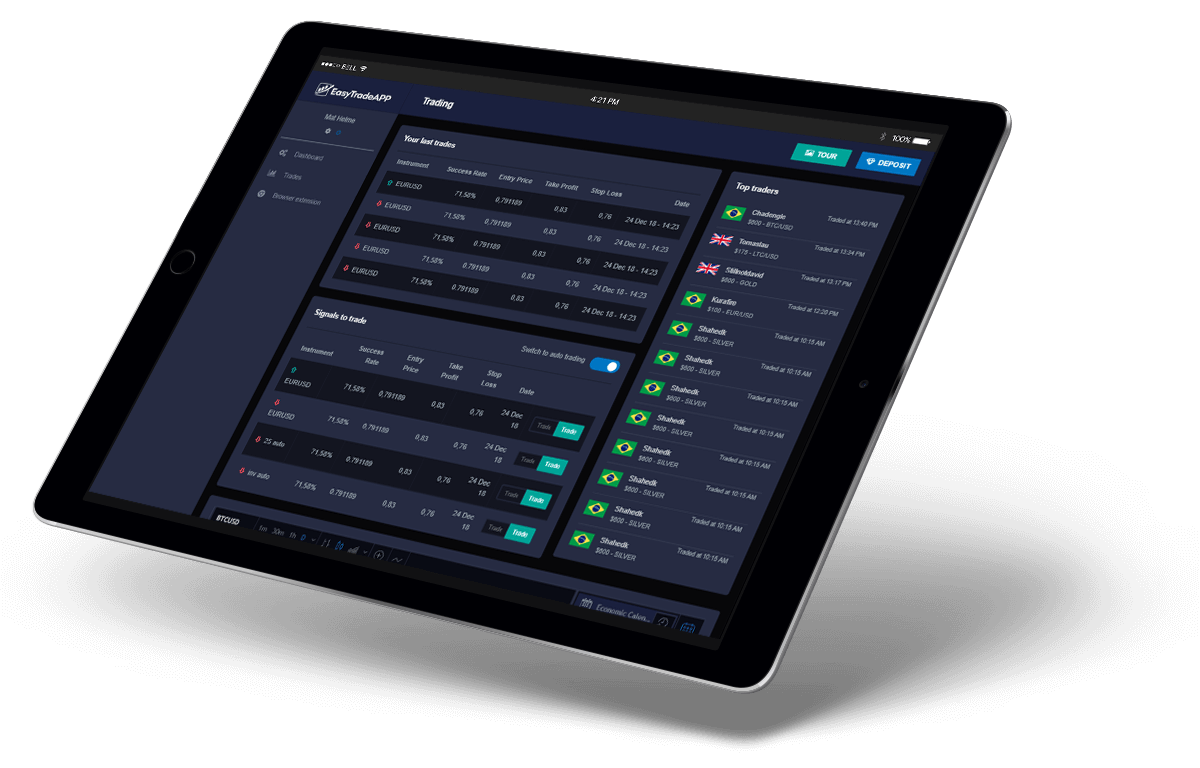
Most Recommended Trading Brokers in South Africa

MOST POPULAR

Risk Warning:
We do not provide any investment advice and we are not responsible for any losses caused by your trading activity.
Fixed time trading and CFDs are complex instruments and come with a high risk of losing money rapidly due to leverage. You should consider whether you understand how online trading works and whether you can afford to take the high risk of losing your money.
Advertiser Disclosure:
Our website is free for everyone, but we earn a commission from some of the brokers, with no additional cost to you. Please use our link to open your account so that we can continue to provide broker reviews and other useful information for free.
Contact Us
© 2022 Eseta.org.za, All Rights Reserved.